You can track your spouse’s phone legally only if they consent or the device is genuinely yours to monitor. Secretly installing a tracking app or planting a GPS device on a partner who doesn’t know is illegal in most U.S. states and can be charged as stalking. Marriage does not waive that. Here’s the honest breakdown.
It’s a common question, and an understandable one. Maybe you’re worried about safety, maybe you suspect something, maybe you just want to coordinate pickups and errands. The legal answer hinges on one thing almost every time: did the other adult agree?
The short version: consent is the dividing line
A spouse is still a separate adult with their own privacy rights. Being married doesn’t give you blanket permission to read their messages or follow their location without their knowledge. The line between “fine” and “crime” runs straight through consent.
Legal, in plain terms:
- Your spouse knows about the tracking and has agreed to it.
- You’re both sharing locations through a mutual app like Google Maps or a family app.
- The phone is one you own and have authorized control over, with their awareness.
Likely illegal:
- Secretly installing monitoring software on their personal phone.
- Hiding a GPS tracker or an AirTag on their car or in their bag.
- Accessing their accounts or messages without permission.
What U.S. law actually says
At least 26 states and the District of Columbia have laws that directly address tracking another person’s movements without consent, and several states are strict “consent-required” jurisdictions, including California, New York, New Jersey, Maryland, and Nevada. The National Conference of State Legislatures keeps a running summary of these statutes, which is worth checking for your own state because they change often: see the NCSL’s state location-tracking statutes.
Texas is a useful example of how this plays out. Under Texas Penal Code section 16.06, installing a GPS tracker on a vehicle without the owner’s consent is a Class A misdemeanor, punishable by up to a year in jail and a fine of up to $4,000. Courts have applied this even between spouses, especially when the car is registered to or primarily driven by the other person. “It’s community property” is not the safe harbor people assume it is.
There’s a federal layer too. If tracking is part of a pattern of following, monitoring, or harassing someone, it can rise to federal stalking under 18 U.S.C. section 2261A, which carries penalties of up to five years in prison. Tracking someone in violation of a protective or no-contact order is treated even more seriously.
AirTags and “found a tracker on my car”
Cheap consumer trackers made covert tracking easier, and the law caught up. Apple AirTags, Tile, and similar devices now send unwanted-tracker alerts to nearby phones, and planting one on a partner who hasn’t agreed is treated the same as any other non-consensual GPS device. The convenience of the hardware doesn’t change the legality of the act.
“But I think they’re cheating”
Suspicion is not legal authorization. This is the hard part for a lot of people. Even if your instinct turns out to be right, evidence gathered by illegally tracking or hacking a spouse’s phone can be thrown out in court, and it can expose you to criminal charges or a civil lawsuit for invasion of privacy. In a divorce, that can flip the situation against the person who did the tracking.
If your real concern is infidelity, the lawful routes are open conversation, a frank request to share locations, or, where it’s serious, a licensed private investigator and a family-law attorney who knows what’s admissible. Our guide on whether it’s legal to track a phone walks through the consent rules in more detail.
When tracking a partner is fine
Plenty of couples share locations happily, and that’s completely legal because it’s mutual and out in the open. If you both turn on location sharing in Google Maps or a family-safety app, nobody’s privacy is being violated. The test is simple: would your spouse be surprised to learn it’s happening? If yes, you’re on shaky ground. If no, you’re fine.
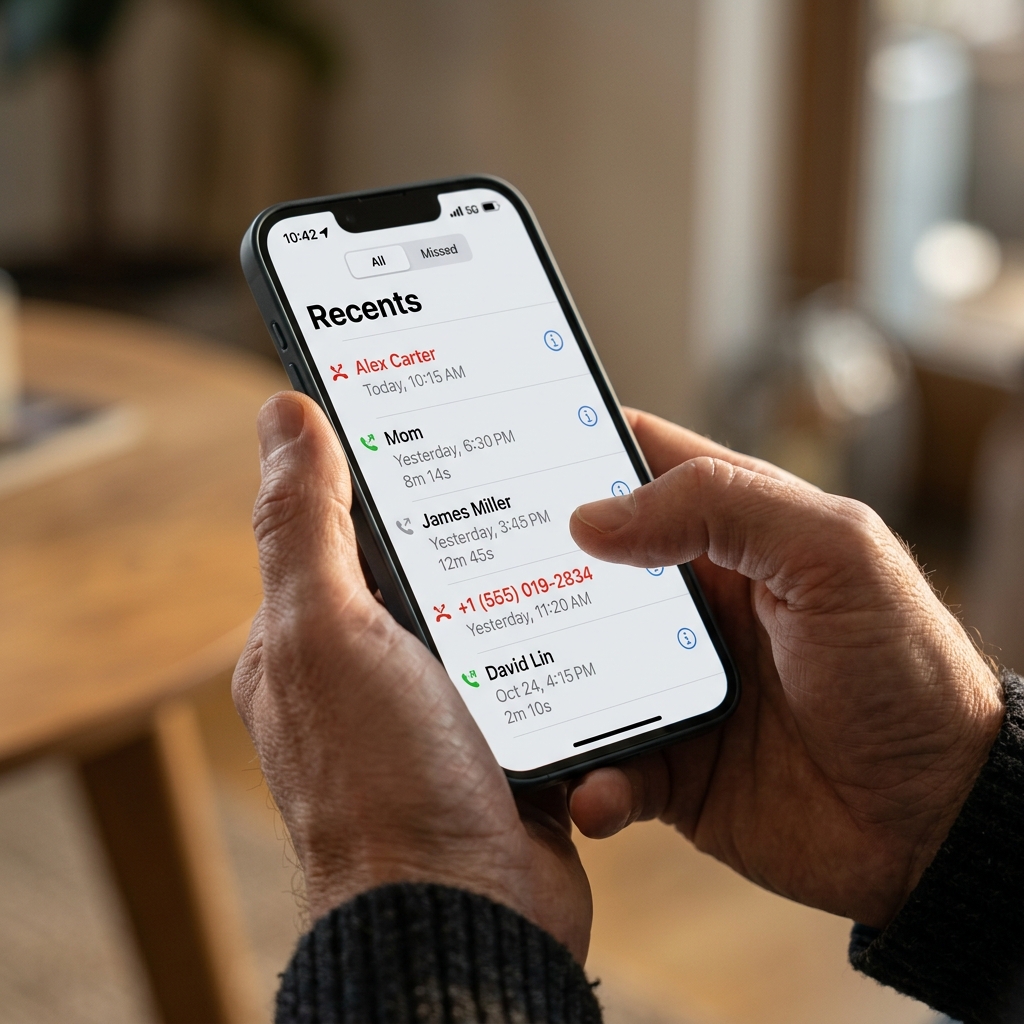
For identifying an unknown number that keeps calling, a phone number tracker shows the carrier and registration region rather than a person’s live location, which keeps you within the bounds of what’s lawful.
Where SpyHuman fits
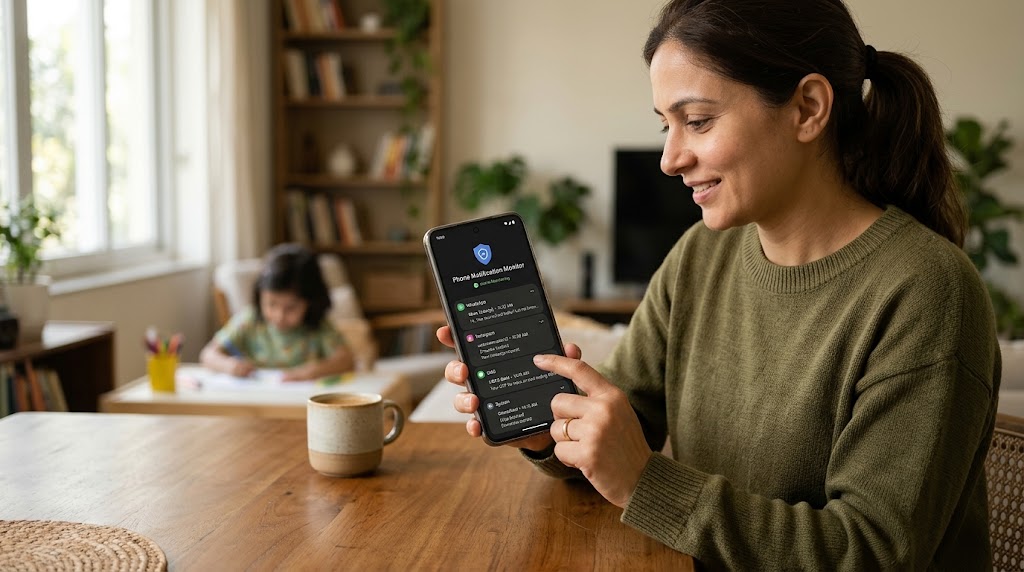
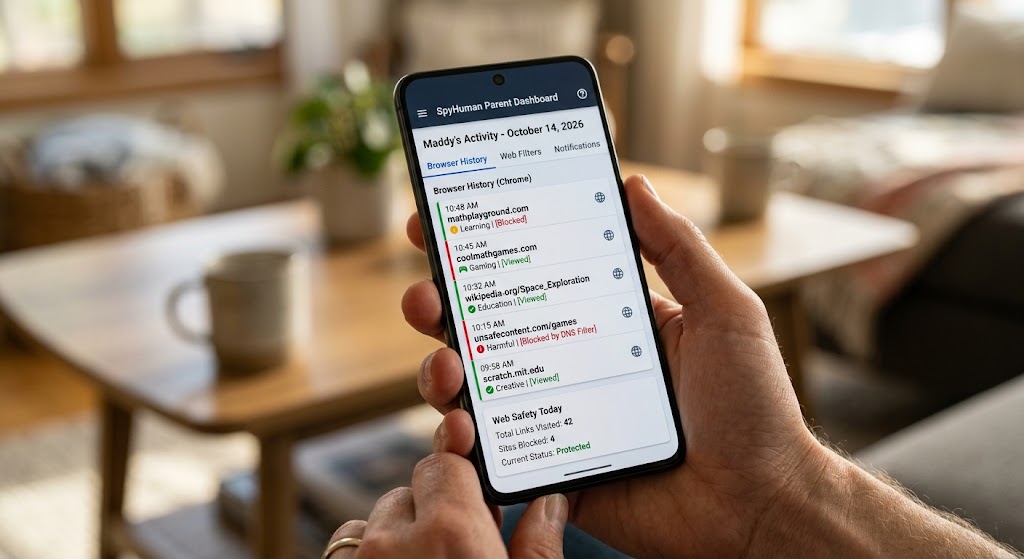
SpyHuman is built for consent-based, family-safety monitoring: your own minor children or devices you own and are authorized to supervise. It is not designed for secretly surveilling another adult, and we don’t recommend using any tool that way. You can see exactly what it covers on the features page. The right use is lawful monitoring with permission, not spying on a spouse behind their back.
The bottom line
You can track your spouse’s phone if they consent or it’s a device you legitimately control with their knowledge. Without that, secret tracking is illegal in most states, can be prosecuted as stalking, and can sink you in a divorce. Get agreement, keep it transparent, and you stay on the right side of the law.
This article is general information, not legal advice. Laws vary by country and state and change frequently. Check your local rules or consult a qualified attorney for your situation.
Frequently asked questions
Is it illegal to track my spouse’s phone without them knowing?
In most U.S. states, yes. Secretly installing tracking software or planting a GPS device on another adult’s phone or car without consent can be prosecuted as stalking or unlawful use of a tracking device, even between married partners.
Can I put a GPS tracker on my spouse’s car if it’s in both our names?
Risky. Several states make it an offense to track a vehicle the other person primarily uses, regardless of shared title. Texas, for example, treats it as a Class A misdemeanor. Check your state law first.
Can I use phone tracking as evidence in a divorce?
Evidence obtained by illegally tracking or accessing a spouse’s phone is often inadmissible and can expose you to criminal or civil liability. Talk to a family-law attorney about what’s actually allowed where you live.
Is location sharing with my spouse legal?
Yes. Mutual, consented location sharing through apps like Google Maps is completely legal because both people know about it and can switch it off.
Lawful use only: monitor devices you own, your minor child’s device as a parent or guardian, or a device whose adult user has given consent.