“Keylogger” sounds like something out of a hacker movie, but the technology is simpler — and more common — than most people think. Some keyloggers are legitimate parental-safety tools; others are malicious spyware secretly stealing passwords. The difference comes down to consent and ownership. Here’s what an Android keylogger actually is, when it’s legal, how to spot a malicious one on your own phone, and the safer ways to keep a child protected.
What is a keylogger?
A keylogger is software (or, rarely, hardware) that records the keystrokes typed on a device — messages, search terms, usernames, and passwords. As Microsoft Security explains, keyloggers capture what a user types and pass it to whoever installed them. On Android, software keyloggers usually work through the accessibility service, which can read on-screen text and input.
That capability is neutral on its own. A parent using it transparently to protect a child is worlds apart from a criminal using it to drain a bank account.
Is it legal to use an Android keylogger?
Short answer: It’s legal to use a keylogger on a device you own or on your minor child’s device as a parent or legal guardian, ideally with the user’s knowledge. It is illegal to install one on another adult’s phone — including a spouse’s — without their consent, and doing so can be a criminal offense.
The dividing line is consent and ownership, not the software itself. Legitimate uses include:
- A parent monitoring a minor child on a phone the parent owns.
- An employer monitoring a company-owned device where staff have been clearly informed and have agreed in writing.
Covert monitoring of another adult crosses into wiretapping, stalking, and computer-misuse laws in most countries and US states, with penalties ranging from fines to jail time.
Keylogger vs. spyware vs. stalkerware
The same code can be a safety tool or an attack, so the categories blur. The honest way to tell them apart is transparency:
- Legitimate monitoring: installed on your own device or your child’s, openly, for safety.
- Spyware/stalkerware: installed secretly on someone else’s device to surveil them without consent.
Security vendors increasingly flag covert “monitoring” apps as stalkerware precisely because they hide their presence. As Intego notes, a keylogger’s risk is defined by how it’s deployed — quietly capturing another person’s credentials is the malicious case, and antivirus tools will treat it that way.
How to tell if your own phone has a malicious keylogger
Worried something is logging your device? Watch for these signs:
- Fast battery drain and the phone running warm when idle
- Higher-than-usual mobile data use
- Sluggish performance, crashes, or odd reboots
- An accessibility service or device-admin app you don’t recognize (Settings → Accessibility, and Settings → Security → Device admin apps)
- Apps with no icon in the launcher
To remove a suspected keylogger: boot into Safe Mode, revoke unfamiliar accessibility and device-admin permissions, uninstall the app, run a reputable mobile security scan, then change your important passwords from a different, trusted device. If you can’t remove it, a factory reset is the clean option.
A note for parents: there are calmer options than a raw keylogger
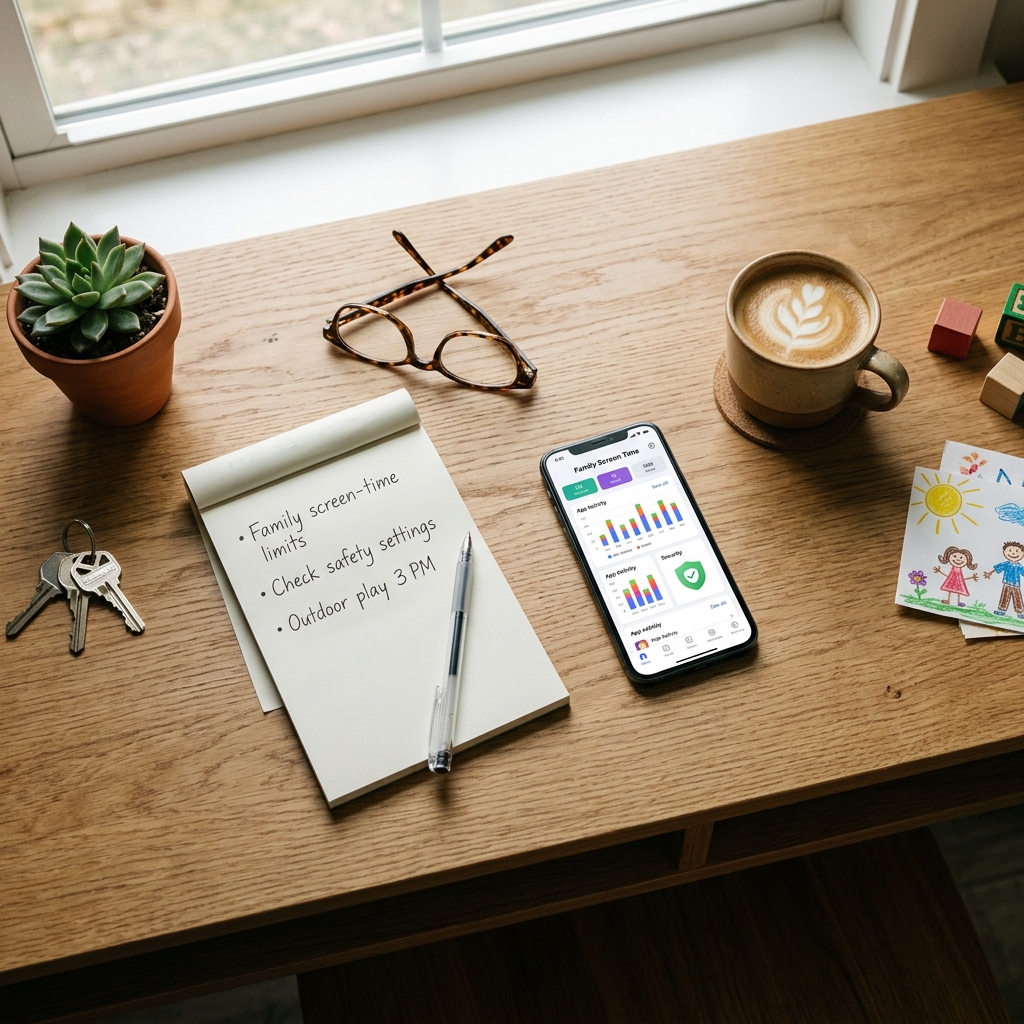
If your goal is a child’s safety rather than capturing every keystroke, a full keylogger is often more than you need — and more than a teen will tolerate if discovered. A purpose-built parental tool gives you the useful signals (risky messages, app usage, web activity, location) without the all-or-nothing feel of a covert logger.
SpyHuman includes keystroke logging as part of a broader, consent-based monitoring toolkit, alongside calls, SMS, social apps, browsing, and location in one dashboard — see the keylogger feature and the full feature set. Used the right way — on your own child’s device, with age-appropriate transparency — it’s a safety net rather than surveillance. The healthiest setups are the ones a child knows about.
The bottom line
An Android keylogger is just a tool that records typing. It’s legal when used on your own device or your minor child’s, openly and for protection; it’s illegal spyware when used to secretly monitor another adult. If you suspect one on your own phone, the removal steps above will clear it. And if you’re a parent, a transparent monitoring app usually serves you better than a hidden logger.
Frequently asked questions
Is it illegal to put a keylogger on someone’s phone?
Yes, if it’s another adult’s phone and you don’t have their consent. That can violate wiretapping and computer-misuse laws. It’s legal on a device you own or your minor child’s device as a parent or guardian.
Can a keylogger see my passwords?
A malicious one can, because it records what you type. That’s why removing an unauthorized keylogger and then changing your passwords from a different device matters.
Do antivirus apps detect Android keyloggers?
Reputable mobile security apps detect many keyloggers and stalkerware, especially covert ones. Combine a scan with a manual check of your accessibility and device-admin settings.
What’s the difference between a keylogger and parental control software?
A keylogger records keystrokes; parental control software bundles broader, usually transparent features (screen time, location, app and web monitoring). Many parents find the latter more useful and easier to use openly.
Lawful use only: use monitoring tools on devices you own, your minor child’s device as a parent or legal guardian, or a company device with the user’s consent.