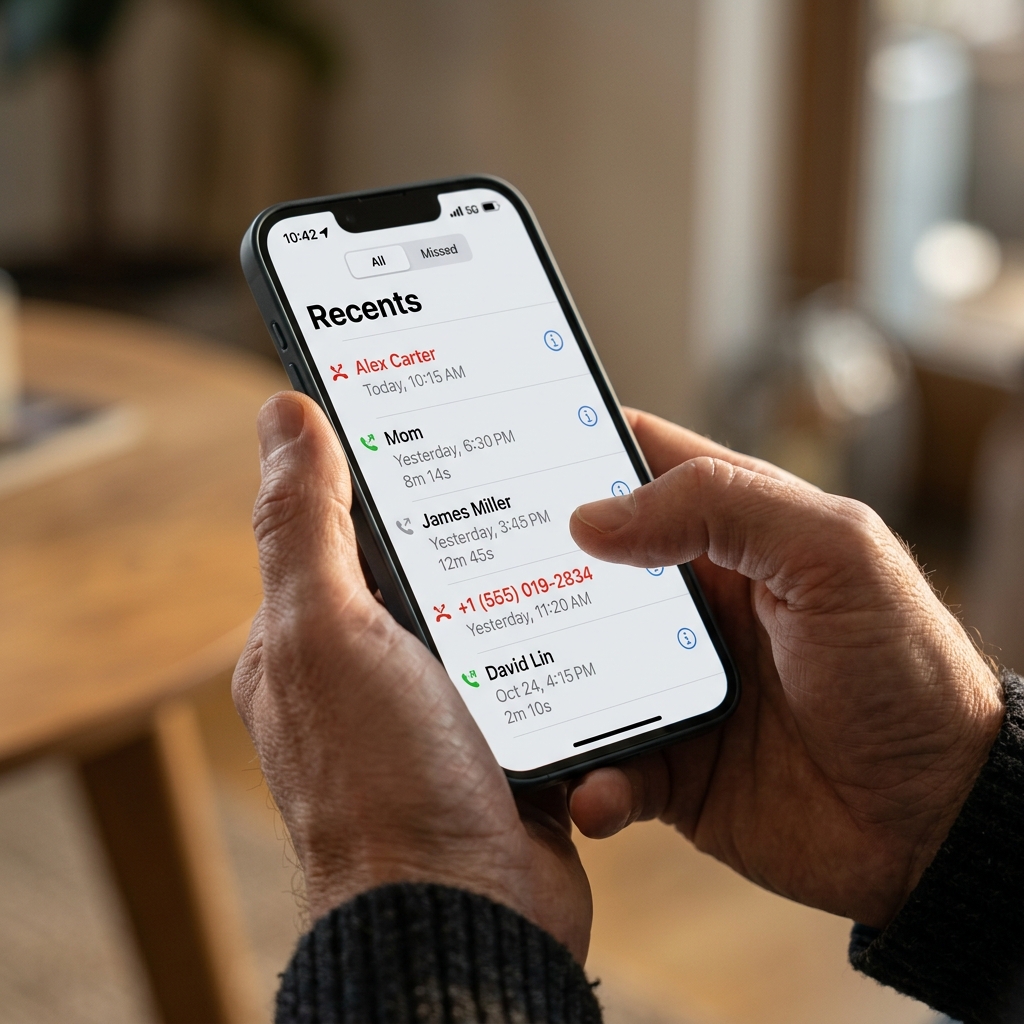
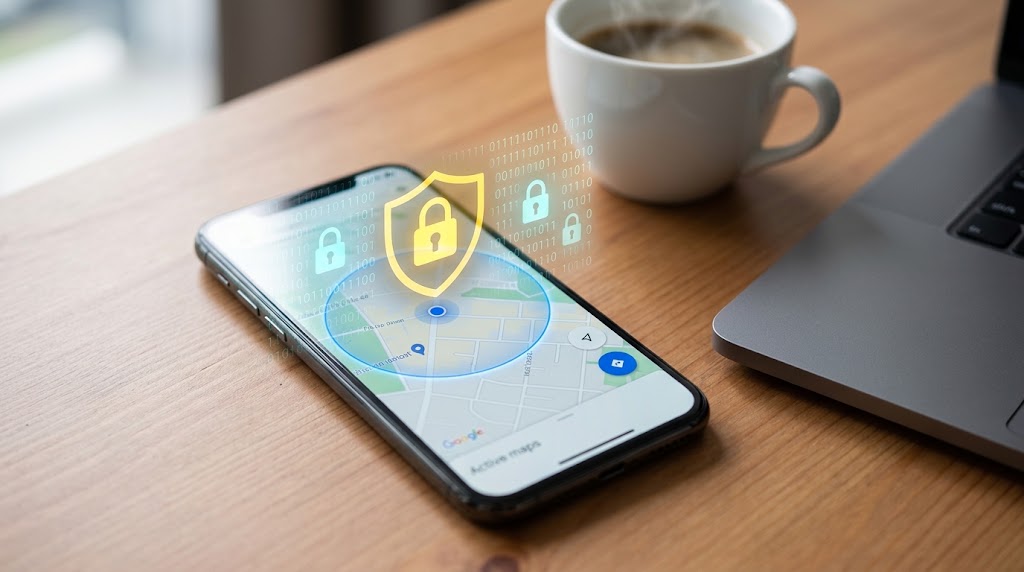
Search “type in a phone number and find location free online” and you’ll be flooded with sites showing a map, a spinning radar animation, and a promise: enter any number, watch the pin drop on a stranger’s exact street. It looks like magic. It’s not. Here’s what those sites actually deliver, why most of them are built to take your money or your data, and what genuinely works instead.
Does typing in a phone number really show someone’s live location?
No. No free online tool can show the live GPS location of a random phone number. The map and “locating…” animation are theater. What real lookup services return is registration data — carrier, line type, and general region — not a live position. Anything claiming to pin a stranger’s exact spot for free is a scam.
That’s the honest version. Now let’s break down the gap between what’s advertised and what you get.
What these sites claim vs. what you actually get
The pitch is always the same: a slick map, a radar sweep, and copy like “locate any number in seconds, 100% free.” The reality is far more limited.
A legitimate reverse phone lookup pulls from public and commercial databases and can usually show:
- The carrier and whether the line is mobile, landline, or VoIP.
- The general region — country, state, or sometimes city tied to the number.
- A spam/scam reputation flag from other users who reported the number.
What it cannot show is real-time GPS coordinates. As consumer-security guidance from Malwarebytes and Bitdefender explains, these tools are for screening unknown callers and identifying likely scams — not for finding where a person is standing.
How the “free location” trick actually works
The free-location sites follow a predictable script designed to extract something from you:
- You enter a number. The page shows a fake “scanning” animation and a teaser map.
- It announces it “found the location” — then blurs it behind a paywall, a survey, or a “free trial” that needs your credit card.
- To unlock, you hand over personal details, an email, a card number, or you’re pushed to install an app.
Either you pay for a “report” that contains nothing you couldn’t get from a basic carrier lookup, or you’ve just fed a data broker your information. Some versions push outright malware. The location was never real — it was bait.
Privacy and scam red flags to watch for
Close the tab if a site does any of these:
- Promises a stranger’s exact live location from a number alone — legitimately impossible and usually illegal.
- Demands a credit card for a “free” result, or hides the answer behind a survey.
- Uses fake countdown timers, “3 people viewing this number,” or a spinning radar to manufacture urgency.
- Has no privacy policy, no company name, and a throwaway domain.
- Asks you to install an APK to “complete the search.”
There’s also a legal layer. Tracking a private individual’s location without consent breaks privacy laws like GDPR and CCPA, which is exactly why no above-board company offers number-to-live-location lookup. The ones that “do” are operating outside the law, your data included.
Legit alternatives that actually work
Depending on what you’re really trying to do, here’s what works:
To identify an unknown caller — Use a reputable reverse-lookup or scam-check tool to see the carrier, line type, and spam reputation. SpyHuman’s phone number tracker page lays out plainly what a number can and can’t reveal, so you’re not chasing impossible promises.
To find your own lost phone — Use Google Find Hub (Android) or Apple’s Find My (iPhone). Sign in with the device’s account and it appears on a map. Free, accurate, and built for exactly this.
To know where a family member is, with their agreement — Live location sharing in Google Maps or WhatsApp is accurate to a few meters and fully consent-based. The other person turns it on and can switch it off anytime.
To keep a child or owned device monitored continuously — A consent-based tool gives you real, ongoing location with history and geofence alerts, instead of a one-off guess. SpyHuman’s location tracker is built for this: install it once on a device you’re authorized to supervise and the live location shows in your dashboard — no fake radar required.
Frequently asked questions
Can I find someone’s location by typing their phone number for free?
No. Free online tools can show a number’s carrier and general registration region, but not a live GPS location. Sites that claim to pin a stranger’s exact spot are scams designed to collect your money or data.
Are free phone-number location sites safe?
Often not. Many are data-harvesting traps, subscription scams, or malware vectors. They use fake maps and urgency tactics to push you into paying or handing over personal details. Stick to reputable carrier-backed lookups.
What can a reverse phone lookup actually tell me?
The carrier, the line type (mobile, landline, or VoIP), the general region, and whether others have reported the number as spam. It’s useful for screening unknown callers, not for locating a person.
What’s the legitimate way to find a phone’s location?
For your own device, use Google Find Hub or Apple Find My. For family members, use consent-based live location sharing. For a child’s or owned device, a consent-based monitoring app provides continuous, accurate location lawfully.
Lawful use only: monitor devices you own, your minor child’s device as a parent/guardian, or a company device with the user’s consent.