That stomach-drop moment when your pocket is empty is bad enough. The good news: if you have an Android phone signed into a Google account, you can probably locate it, make it ring, lock it, or wipe it from any browser in the next few minutes. Google’s finder tool — now called Find Hub (formerly Find My Device) — does the heavy lifting, and it’s already switched on for you. Here’s the calm, step-by-step version.
How do I find my lost Android phone fast?
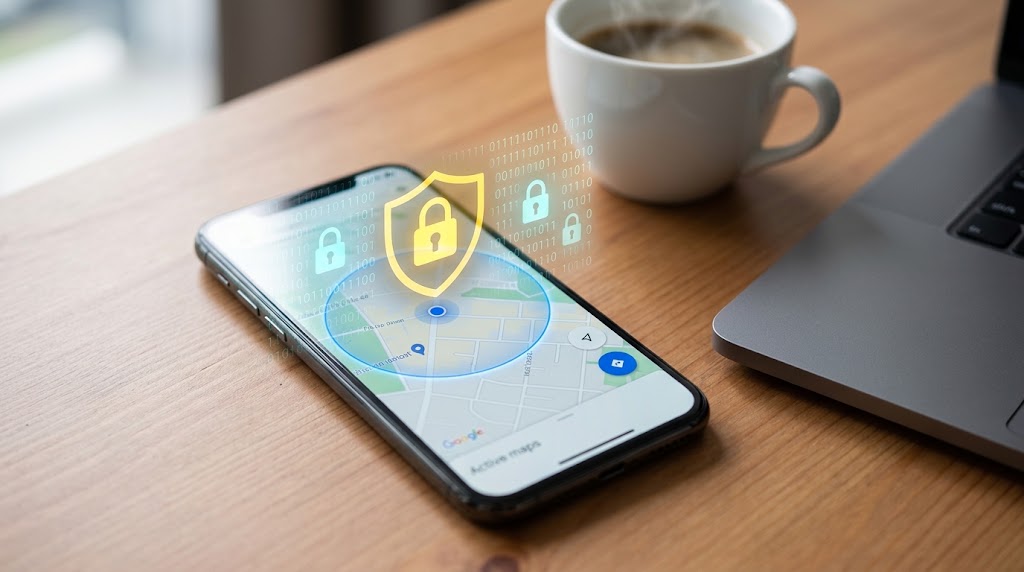
Go to google.com/android/find on any device, or open the Find Hub app, and sign in with the Google account on the lost phone. It shows the phone’s location on a map and lets you play a sound, lock it with a message, or erase it. Find Hub is on automatically once a Google account is added.
Now the full walkthrough, in the order that matters.
Step 1: Open Find Hub from any device
You don’t need your phone to find your phone. From a laptop, a friend’s phone, or a tablet:
- Go to google.com/android/find in a browser, or
- Open the Find Hub app (you can use a friend’s Android in guest mode), then
- Sign in with the same Google account that’s on the missing phone.
The map loads with your device’s current or last known location. Per Google’s support guide, if you have several devices on the account, pick the right one from the list at the top.
Step 2: Play a sound (for “it’s somewhere in the house”)
If the map shows the phone nearby — under a couch cushion, in the car — tap Play Sound. The phone rings at full volume for about five minutes even if it’s on silent or vibrate. This alone solves the most common case: a phone that was never really lost, just misplaced.
Step 3: Secure it with Mark as Lost / Lock
If it’s genuinely gone, don’t keep refreshing the map — lock it down. Tap Secure device (Mark as Lost) to:
- Lock the phone with your PIN, pattern, or password (or set one if you hadn’t).
- Display a message on the lock screen — for example, “Lost phone, please call 555-0142.”
- Sign out of your Google account while keeping Find Hub active so you can still track it.
This buys you time and stops a stranger from poking through your apps, while leaving the door open for an honest finder to contact you.
Step 4: Erase it — the last resort
If the phone holds sensitive data and recovery looks unlikely, tap Erase device for a full factory reset that wipes everything remotely. Two things to know first: once erased, you can no longer track it through Find Hub, and the reset may complete only when the phone next comes online. Treat this as the final move, not the first.
Step 5: Report the IMEI to your carrier and police
For a stolen phone, software steps aren’t enough — block the hardware. Call your carrier and ask them to suspend the SIM and blacklist the IMEI, which stops the device from connecting to networks even with a new SIM. You’ll need the IMEI number (dial *#06# on a working phone to retrieve it, or find it on the box). Then file a police report; carriers and insurers generally require one, and the official record helps if the phone resurfaces. The android.com lost-or-stolen guide walks through the same sequence.
What if the phone is offline or switched off?
Find Hub can often still surface a phone that’s offline or recently powered off by relaying anonymously through other nearby Android devices, and it always shows the last known location from when the phone was last online. Newer premium phones can keep responding for a while even after the battery dies. If the map only shows a last-seen spot, that’s still your best lead — note it and give it to the police.
Prevent the next scare
A few minutes now saves the panic later:
- Confirm Find Hub is on: Settings → Google → Find My Device / Find Hub.
- Set a strong screen lock and turn on biometric unlock.
- Enable offline finding so the phone can be located without a data connection.
- Note your IMEI somewhere safe today, before you ever need it.
For families managing several phones, a dedicated tool keeps everything in one place. SpyHuman’s mobile tracker and location tracker let you keep continuous tabs on devices you own or your minor child’s phone — so a lost phone is a known last location, not a frantic guess.
Frequently asked questions
Can I find my Android phone if it’s turned off?
You’ll see its last known location from when it was last online, and Find Hub can sometimes locate an offline phone through nearby Android devices. Some newer phones respond briefly even after the battery dies, but a fully off older phone usually only shows where it was last seen.
Is Google Find Hub free?
Yes. It’s built into Android and turns on automatically when you add a Google account. There’s nothing to install or pay for — just sign in at google.com/android/find.
What’s the difference between Find My Device and Find Hub?
They’re the same service. Google rebranded Find My Device as Find Hub. The features — locate, play sound, lock, and erase — work the same way.
Should I erase my stolen phone right away?
Only as a last resort. Erasing wipes your data but also stops you from tracking the device. Try locating, ringing, and locking it first, and report the IMEI to your carrier so the hardware is blocked regardless.
Lawful use only: monitor devices you own, your minor child’s device as a parent/guardian, or a company device with the user’s consent.